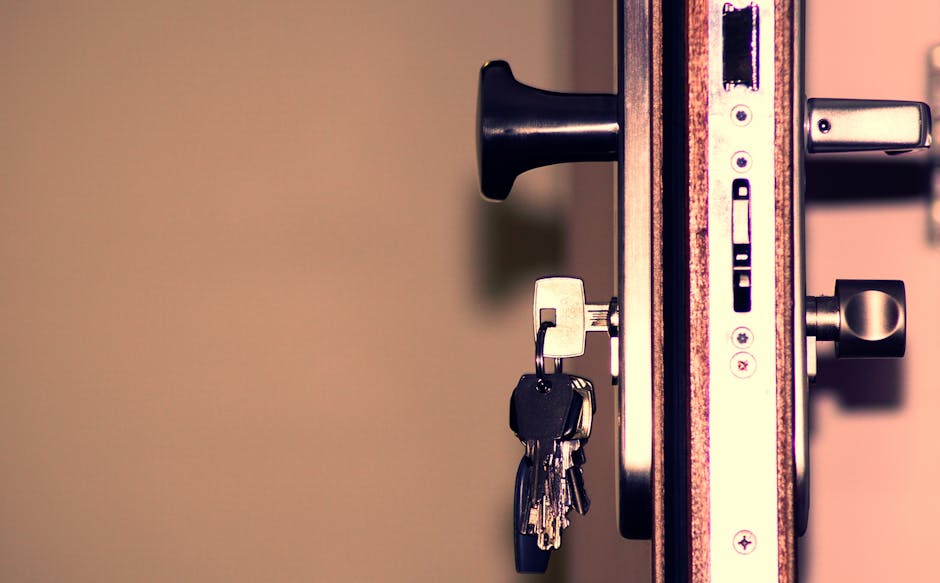
As the sun rises, the hallway drop zone becomes a cluttered reminder of a chaotic evening. The planner sits closed on the table, untouched since yesterday, while a pair of shoes lies haphazardly by the door. In the rush to leave, the small habit of laying out clothes the night before gets overlooked, and the day begins to unravel before it even starts. A quick glance at the weather app is skipped, leading to a last-minute scramble for an umbrella when the rain unexpectedly pours down.
This missed check sets off a chain reaction. Without the right outfit ready, the morning routine stalls, and time slips away. The keys, notebook, and bag are hastily gathered, but the disorganization lingers. Each morning feels like a repeat of the last, where the same friction points emerge, making it clear that without a solid evening reset, the weekday routine is bound to break down. Adjusting just one step—like checking the weather before bed—could transform the morning chaos into a smoother start.
The Morning Routine That Should Work
A well-structured evening reset can set the stage for a smoother morning, but when the routine breaks, chaos ensues. After a messy day, the hallway drop zone is cluttered with bags, shoes, and a closed planner left on the table, untouched since yesterday. The small habit of laying out clothes the night before is forgotten, leaving the next morning’s outfit a last-minute scramble. As dawn breaks, the weather check is skipped entirely, leading to a frantic search for an umbrella when the rain pours unexpectedly. This oversight not only delays the departure but also amplifies the morning's stress, making it clear that without a solid evening routine, the day is likely to start off on the wrong foot.
To combat this, a few small adjustments can make a significant difference. Preparing breakfast essentials the night before—like setting out the coffee maker and placing a bowl of oats on the counter—can streamline the morning. It’s also crucial to set the planner on the table, open to the next day’s tasks, so it’s the first thing seen in the morning light. By moving these checks to the evening, the morning routine can flow more smoothly, reducing the chances of missing vital steps. However, if the evening reset is neglected, the same friction points will reappear, and the routine will continue to unravel before it even begins.
Where the Routine Breaks First
Standing in the hallway drop zone, the morning routine begins to unravel almost immediately. The first snag occurs when the weather check is skipped entirely. Without that essential glance at the forecast, the decision to wear a light jacket instead of a raincoat can lead to a frantic search for an umbrella later on, compounding the stress of a late start.
- Breakfast is rushed, often resulting in a half-eaten piece of toast left on the counter.
- The planner, which should be opened and laid out the night before, remains closed on the table, leaving important tasks forgotten.
- Skipping these small checks creates a cascading effect, where one missed step leads to another, amplifying the chaos of the morning.
By the time the keys are grabbed and the bag is reset, it’s already past the intended departure time. If the evening reset had included checking the weather and preparing breakfast essentials, the morning could have flowed much more smoothly. Instead, the day starts with a jolt of anxiety, making it clear that without these evening preparations, the routine is set to break before it even begins.
Why Skipping Steps Repeats the Breakdown
Standing in the hallway drop zone, the clutter of bags and notebooks sprawls across the floor, a visual reminder of the day that spiraled out of control. As the evening settles in, the decision to skip the weather check feels like a minor oversight, but it’s this very choice that plants the seeds for tomorrow’s chaos. Without checking the forecast, the chance of rain is underestimated, leading to a frantic search for an umbrella in the morning when it’s too late.
While resetting the bag, the planner remains closed on the table, a missed opportunity to review the tasks ahead. This small act of preparation could have highlighted the need for a light jacket instead of a heavier coat, preventing the scramble that follows. Overconfidence in time management often leads to neglecting these simple checks, creating a ripple effect that compounds stress. Each skipped step in the evening routine, like laying out clothes or preparing breakfast essentials, amplifies the likelihood of a late start.
As the evening routine progresses, it’s crucial to recognize the hidden cause behind these failures: the underestimation of how small delays can derail the entire morning. Ignoring the importance of preparation not only disrupts the flow but also sets the tone for the day ahead. The tradeoff becomes clear: a few minutes spent on evening resets could save an hour of chaos in the morning. The decision to forgo these steps may seem harmless at first, but it’s a gamble that often results in a jolt of anxiety when the keys are finally grabbed, and the bag is hastily reset.
One Simple Correction to Reinforce the Routine
This same friction shows up again in Everyday Life In The, especially when the day tightens unexpectedly.
As the evening winds down, the hallway drop zone becomes cluttered with the day’s remnants: a jacket tossed over the chair, a half-opened planner lying closed on the table, and keys that seem to vanish into the chaos. This is the moment to implement a small but impactful change: moving the weather check to the night before. Instead of relying on a rushed glance at the forecast in the morning, take a few minutes to check the weather app on your phone before bed. Set a reminder alarm for this task, ideally a few minutes before you plan to wind down. This simple adjustment can prevent the scramble for a coat or umbrella at the last minute.
Next, lay out your clothes for the next day right after checking the weather. If rain is forecasted, choose a waterproof jacket and appropriate footwear. This small act of preparation not only saves time but also reduces anxiety about what to wear. When laying out your outfit, place it in a designated spot near your bag to create a visual cue for the morning. By establishing this sequence—weather check, clothing selection, and laying out essentials—you reinforce a smoother transition into your morning routine.
Each of these adjustments, while minor, creates a ripple effect that enhances your overall weekday routine. When you skip these steps, the morning can feel like a chaotic race against time, with missed checks compounding stress. The tradeoff is clear: a few minutes spent preparing the night before can lead to a more relaxed start, allowing for a more consistent habit-building process.
What Changes Once That Fix Repeats
A slightly different version of this problem appears in Daily Routines Real Life, where the sequence changes but the hidden drag feels familiar.
Evening resets can feel disorganized after a chaotic day, especially when you realize the planner remains closed on the table. This small oversight often leads to a ripple effect in the morning routine, where each skipped step compounds the stress of starting late. By laying out clothes the night before, you create a visual cue that simplifies decision-making in the morning. Instead of rummaging through your wardrobe, you can grab the outfit you prepared, which now sits neatly on a chair in the hallway drop zone.
When the weather check gets skipped, you might find yourself facing unexpected rain without an umbrella, forcing a last-minute scramble. However, by making it a habit to check the forecast and adjust your clothing choice accordingly, you set a smoother tone for the next morning. The next time you wake up, the first action becomes slipping into the outfit you laid out, which instantly reduces the friction of getting ready. This one adjustment not only saves time but also enhances your confidence, allowing you to step out the door feeling prepared.
As you reset your bag and gather your keys and notebook, remember to include a small checklist for the essentials. This can be a simple note stuck to the door or a reminder on your phone. By establishing this sequence—clothes laid out, weather checked, and essentials gathered—you create a more fluid transition into your weekday routine. Each action reinforces a consistent habit, making it easier to rise and shine, even after a messy day.
Resetting your evening routine can be a game changer after a chaotic day. As you gather your bag and keys, take a moment to lay out your clothes for the next morning. This simple act not only saves time but also helps you avoid the stress of scrambling for an outfit. If the weather check gets skipped, you might find yourself unprepared, so make it a habit to glance at the forecast while you’re at it. This way, you can adjust your clothing choice accordingly and ensure a smoother start.
Consider placing a small checklist near your drop zone as a reminder of the essentials you need for the day ahead. This could be as simple as a sticky note on the door or a quick note in your planner. By incorporating these small checks into your evening routine, you create a more structured approach to your mornings, reducing the chances of breakdowns when the day starts late. Next time you reset, focus on these small adjustments; they can make a significant difference in your daily flow.