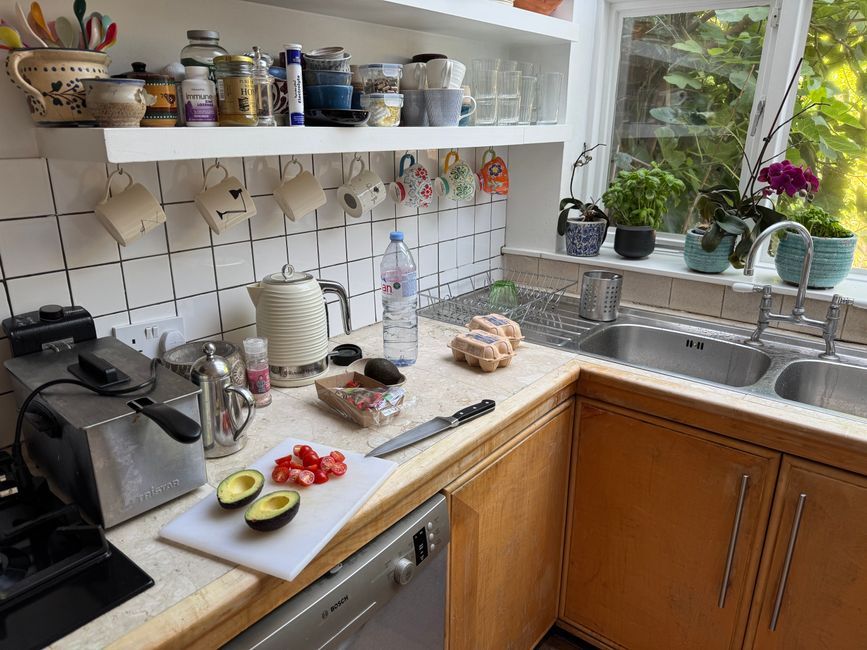
As the clock ticks towards 7 AM, the kitchen counter is cluttered with remnants of last night’s dinner and the remnants of a busy day. A lunch container sits in the sink, a reminder of the chaos that often spills into the morning routine. With breakfast items yet to be set out, the pressure mounts. This is a familiar scene for many parents trying to salvage the evening after a hectic pickup and dinner. Without a clear plan in place, motivation becomes the only driver, and it’s easy to skip crucial checks, like ensuring the weather is suitable for the day ahead.
In this moment, the absence of a solid evening reset routine can lead to a cascade of missed opportunities. A quick glance at the weather app on the phone is forgotten, leaving the family scrambling for jackets at the last minute. As the morning unfolds, the lack of preparation becomes evident, and the small habit of setting out breakfast items the night before is neglected. This reliance on motivation alone often results in a rushed and disorganized start to the day, highlighting the friction points that can derail even the best intentions.
The First Step That Gets Skipped
As the evening winds down, the kitchen counter becomes a flurry of activity. Dinner dishes are piled high, and the clock ticks closer to bedtime. Amidst the chaos, the routine that should set the next morning in motion begins to unravel. The first step, setting out breakfast items, often gets overlooked. Instead of pulling out the cereal boxes and bowls, the parent finds themselves distracted by the mess, leaving the counter cluttered and the morning uncertain.
When the weather check is skipped, the consequences become clear the next day. Without checking the forecast, the kids wake up to a chilly morning, only to discover they’re underdressed for the day. As the parent rushes to prepare lunch containers, they realize that the lunchbox from the previous day remains in the sink, unwashed and forgotten. This simple oversight compounds the morning rush, creating a frantic search for jackets and lunch items. The intended sequence—checking the weather, setting out breakfast, and preparing lunches—falls apart, driven solely by motivation, which can easily falter under pressure.
To salvage the situation, a small adjustment can make a significant difference. Before leaving the kitchen, a quick glance at the weather app on the phone could become a non-negotiable checkpoint. This tiny routine shift, combined with laying out breakfast items the night before, can transform the morning from chaotic to manageable. However, without these proactive steps, the cycle of disorganization continues, leaving the family scrambling each morning.
Where the Routine Breaks Down
Evening routines can slip into chaos when motivation wanes, particularly after a long day of parenting. Standing at the kitchen counter, a parent might intend to set the stage for a smooth morning by preparing breakfast items and checking the weather. However, if the lunch container from the previous day remains in the sink, it becomes a visible reminder of the disarray that can derail the entire routine. Instead of a straightforward sequence of actions, the parent finds themselves scrambling to wash the container, which eats into the time needed for other preparations.
This oversight often leads to a crucial step being overlooked: checking the weather. On a typical weekday, this might seem trivial, but without that check, the family risks heading out in inappropriate clothing for the day’s conditions. A missed weather check can lead to frantic last-minute changes, like hunting for jackets or umbrellas, adding unnecessary stress to the morning. By simply committing to glance at the weather app before leaving the kitchen, the parent can eliminate one potential snag in the morning routine.
To shift the focus back to preparation, laying out breakfast items the night before becomes essential. This small habit—placing bowls, spoons, and cereal on the counter—creates a visual cue that encourages consistency. By doing this, the parent not only reduces the number of decisions needed in the morning but also sets a tone of readiness. The contrast between a chaotic morning driven by motivation alone and a more structured approach with proactive steps is stark. Without these adjustments, the cycle of disorganization continues, leaving the family scrambling each morning.
A Better Order for the Same Five Minutes
A slightly different version of this problem appears in Everyday Life In The, where the sequence changes but the hidden drag feels familiar.
Evening resets can feel like a race against time, especially when the day has been chaotic. After dinner, as the dishes pile up in the sink, a parent might glance at the clock and realize that the morning routine is already in jeopardy. The lunch container, left in the sink, serves as a stark reminder of the disorganization that can derail the next day. A small adjustment here can make a significant difference.
Setting a reminder on the phone to check the weather before bed is a simple yet effective step. This check, ideally done while cleaning up the kitchen counter, allows the parent to prepare for any unexpected changes in the morning. If the forecast calls for rain, the parent can place umbrellas next to the breakfast items, which are already laid out on the counter. By positioning lunch containers next to these breakfast items, the parent creates a seamless flow from evening to morning. This small correction means that when the alarm goes off, the parent isn’t scrambling to find jackets or rushing to pack a soggy lunch.
Establishing a designated spot for evening reset tasks can further streamline this process. By consistently placing the lunch container and breakfast essentials in the same location, the parent builds a visual cue that encourages consistency. The contrast between a frantic morning driven by last-minute decisions and a calm start supported by thoughtful preparation is palpable. Each small adjustment lays the groundwork for a smoother morning, reinforcing the importance of structure over reliance on motivation alone.
What Becomes Easier After the Correction
If this pattern keeps repeating, Daily Routines Real Life extends the idea without leaving the niche.
The kitchen counter transforms into a staging area for the next morning, making the chaotic rush feel more manageable. When the parent sets out breakfast items the night before—like bowls, spoons, and pre-measured oatmeal packets—mornings shift from frantic to fluid. This simple act of preparation means fewer decisions to make when the alarm goes off, reducing the reliance on motivation to get started.
With everything in place, the parent can smoothly transition from the evening routine to the morning without forgetting essential items. For instance, placing the lunch container next to the breakfast items not only reminds them to pack it but also streamlines the process of filling it with leftovers from dinner. This small adjustment eliminates the scramble that often leads to forgotten items, like a water bottle or a snack, which can derail the morning flow.
Next time, as the parent moves through the morning, they can check the weather on their phone while pouring cereal, ensuring they remember to grab jackets or umbrellas if needed. This proactive approach minimizes the chances of rushing out the door unprepared, making the morning feel less like a race against time. The contrast between a well-prepared morning and one driven by last-minute decisions is stark; the former allows for a calm start, while the latter often results in stress and chaos.
As the evening winds down, the kitchen counter becomes a battleground for the next morning's routine. If the lunch container remains in the sink instead of being set out alongside breakfast items, the morning can quickly spiral into chaos. Missing this simple step can lead to frantic searches for the water bottle or snacks, which only adds to the stress of getting everyone out the door on time.
Next time, before leaving the kitchen, take a moment to check the weather on your phone and place any necessary items—like jackets or umbrellas—by the door. This small adjustment not only prepares you for the day ahead but also reinforces a smoother transition from evening to morning, making the routine less reliant on motivation and more about established habits.