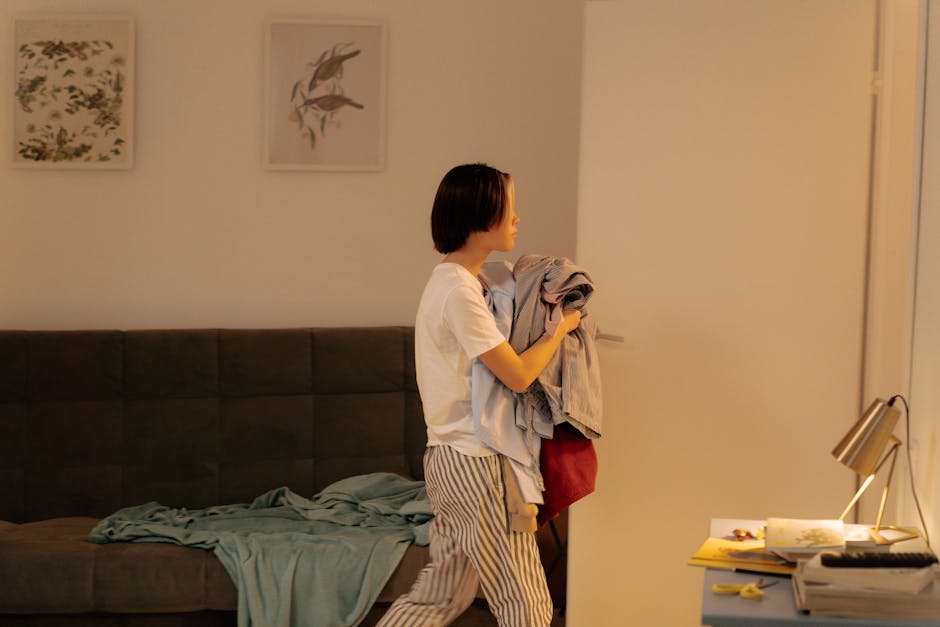
As the clock inches past 6 PM, the remnants of a chaotic workday linger in the hallway drop zone. A pair of work shoes sits by the door, and a laptop bag is tossed carelessly on a nearby chair. The planner, still closed and untouched on the table, serves as a silent reminder of the tasks that slipped through the cracks. For remote workers, this moment often marks the transition from a long day to the evening routine, yet the shift rarely feels seamless. Instead, the weight of unfinished tasks hangs in the air, making it easy to let the evening routine break down before it even begins.
In the midst of this disarray, a simple action can set the tone for the rest of the evening. Laying out clothes for the next day can serve as a small but significant reset. By placing a neatly folded outfit on the chair where it will be seen, the remote worker creates a visual cue that prompts action. This minor adjustment not only streamlines the morning routine but also helps to mentally close the door on the workday. When the evening routine starts late, these small habits can easily be overlooked, but they play a crucial role in establishing a consistent life structure that promotes better transitions between work and personal time.
The Moment Everything Unravels
Stepping into the house after a long day, the remote worker feels the weight of exhaustion settle in. The hallway drop zone is a chaotic mix of bags, shoes, and scattered papers, a clear signal of a disorganized start to the evening. As the clock ticks past 7 PM, the remnants of the workday linger, making it hard to shift gears into relaxation mode.
With a sigh, they drop their work bag onto the floor, its contents spilling slightly, a reminder of the tasks left undone. The planner, still closed on the table, sits untouched, its pages waiting to be opened. This small habit of neglecting to check the planner only adds to the feeling of chaos. Instead of laying out tomorrow's clothes, which could serve as a visual cue for the next day, the worker finds themselves scrolling through emails, further blurring the line between work and home.
To reclaim some structure, they could start by placing a fresh outfit on the chair where it will be seen first thing in the morning. This simple action, however small, can create a moment of clarity amid the clutter, signaling the end of the workday. But with the evening routine already feeling like it’s slipping away, the temptation to let it all go is strong. The cluttered hallway reflects not just physical disarray but also the mental fog that comes from a late finish, leaving the worker wondering how to reset effectively.
When the Planner Gets Ignored
A slightly different version of this problem appears in Everyday Life In The, where the sequence changes but the hidden drag feels familiar.
The planner sits closed on the table, a silent witness to the chaos of the day. It’s easy to overlook it, especially when the evening routine feels like a race against time. After a late finish, the worker finds themselves distracted by lingering emails, their eyes glued to the screen rather than shifting focus to the tasks that signal the end of the workday. This distraction leads to a missed opportunity to lay out clothes for the next day, a small habit that could provide a sense of order.
As the worker moves through the cluttered hallway, the clothes they wore all day still hang heavily on their body, a physical reminder of the work that lingers. Instead of taking a moment to place tomorrow's outfit on the chair where it can be seen first thing in the morning, they let the moment slip away. The decision to ignore the planner and forgo laying out clothes creates a scramble in the morning, where they frantically search through the closet, adding to the stress of an already hectic start.
To reclaim some semblance of structure, a simple adjustment could be made: placing the planner next to the chair where the clothes will be laid out. This small act would create a visual cue, prompting the worker to engage with their plans for the next day. However, with the evening routine already feeling fragmented, the temptation to let everything go is strong, leaving them in a cycle of chaos that seems hard to break.
The Ripple Effect of One Oversight
If this pattern keeps repeating, Daily Routines Real Life extends the idea without leaving the niche.
As the remote worker stumbles out of bed, the clock glaring at them with a time far too late, the realization hits: they forgot to lay out their clothes the night before. The hallway drop zone, usually a beacon of organization, is instead a chaotic mix of shoes and bags. With no outfit prepped, they scramble through the closet, pulling out wrinkled shirts and mismatched pants, all while glancing nervously at the clock. The frantic search for clothes sets a tone of disarray that bleeds into every aspect of the morning.
Rushing through breakfast, the worker skips their usual coffee routine, opting instead for a hasty granola bar. This decision leads to a lack of focus, making it difficult to concentrate on the day’s tasks. The planner, still closed on the table, becomes just another forgotten object, leaving them unprepared for meetings and deadlines. As each minute ticks by, the pressure mounts, and the chaotic start only amplifies their stress, making it clear that neglecting the simple act of laying out clothes has a ripple effect, disrupting not just the morning but the entire day's productivity.
A Simple Repair for Evening Chaos
As the day winds down, a remote worker often finds themselves surrounded by remnants of a chaotic day. Work clothes linger longer than intended, draped over the hallway drop zone, creating a visual reminder of the day's stress. Without a clear plan for the evening, they might plop down on the couch, leaving the planner closed on the table, forgotten. This oversight sets the stage for another rushed morning, where the scramble for clothes and reminders only amplifies the chaos.
Contrast this with a simple yet effective adjustment: laying out clothes the night before. By placing a neatly folded outfit on a chair in the bedroom or even on the kitchen counter, the worker creates a visual cue that streamlines the morning routine. This small habit not only saves precious time but also alleviates the mental load of deciding what to wear. Additionally, positioning the planner in a visible spot, like next to the laid-out clothes, serves as a reminder to check it before bed, reinforcing the habit of planning ahead.
Implementing this adjustment requires minimal effort but can yield significant benefits. The act of laying out clothes and placing the planner in sight transforms the evening routine into a moment of preparation rather than chaos. It’s a straightforward shift that can set a positive tone for the next day, ensuring that the worker starts off on the right foot, rather than scrambling through the remnants of a messy day.
Creating a Repeatable Evening Pattern
As the clock ticks toward 8 PM, the chaos of a long remote workday lingers in the hallway drop zone, where shoes, bags, and scattered papers create a visual reminder of the day’s disarray. To combat this, setting a specific time each evening for planning and preparation can create a structured reset. For instance, designating 15 minutes at 8 PM to lay out clothes for the next day can transform the evening routine into a more manageable task.
Instead of tossing work clothes onto the nearest chair, try keeping a dedicated space—like a small basket or a hook by the door—for your work attire. This simple adjustment not only reduces clutter but also creates a clear boundary between your workday and personal time. When the clothes are neatly placed in this designated area, it signals the end of the workday and the start of your evening routine.
After laying out your outfit, take a moment to check your planner, which should be opened and visible on the kitchen counter. This small habit reinforces the importance of planning ahead and helps avoid the frantic scramble that often accompanies a late start. By maintaining this repeatable pattern, the remote worker can gradually build a consistent evening routine that minimizes stress and sets a positive tone for the following day. However, neglecting this small habit can lead to a cluttered space and a chaotic start, reminding you that even minor adjustments can have a significant impact on your daily reset.
As the evening winds down and the clutter of the day settles in the hallway drop zone, consider how a simple act of laying out your clothes for the next day can shift your mindset. When your work attire is neatly placed in a visible spot, it not only clears the physical space but also mentally signals that the workday is over. This small habit creates a distinct boundary, allowing you to transition smoothly into your personal time.
To reinforce this evening reset, take a moment to open your planner and place it where you can easily see it, perhaps next to your laid-out clothes. This visible cue serves as a reminder to plan for tomorrow, helping you avoid the last-minute chaos that often accompanies a late start. By making these minor adjustments, you cultivate a more structured evening routine that can significantly ease the stress of your next busy day.